Sectors / 05
Data centres & robotics
We give suppliers to data-centre and robotics projects the material-origin and ownership evidence their customers now require, and help new suppliers find a way in.
What is changing, and what it means for you.
What is changing
- Hyperscaler supplier codes now ask for material origin, forced-labour and conflict-minerals evidence from equipment suppliers.
- US export rules on advanced computing reach the hardware and its end users.
- EU battery rules require due diligence on cobalt, lithium, nickel and graphite.
Who it affects
Equipment suppliers already on hyperscale projects, manufacturers trying to enter the market, the contractors who build and onboard suppliers, and makers of robots and humanoids.
The problem it creates
A supplier already on projects is asked to prove where the copper, aluminium, steel and battery materials came from. A manufacturer trying to enter has the opposite problem: it does not know which projects, contractors or requirements to aim at.
What Meridian does
For suppliers on projects we build the origin and control file the customer’s code asks for. For new entrants we map the projects, contractors and qualification requirements. For contractors we apply one evidence standard across the supply base.
Different businesses, different first steps.
Each starts with a defined scope and a fixed fee, set out in writing within 24 hours.
If you are
Already supplying hyperscale projects
Your customer’s supplier code asks for material-origin evidence you do not hold.
You receive: Copper, aluminium, steel and battery materials traced towards source, ownership checked, and answers mapped to the code.
If you are
Trying to enter the market
You can make the equipment but do not know which projects or contractors to approach.
You receive: Current and planned projects, the contractors and tier-one suppliers on each, and what they require before qualifying you.
If you are
Contractor onboarding suppliers
Each supplier sends evidence in a different form, and gaps surface late.
You receive: One evidence standard applied across your supply base, with each supplier graded the same way.
If you are
Building robots or humanoids
Magnets, actuators and batteries carry origin and export risks you cannot see from the bill of materials.
You receive: Critical components traced to material and origin, with exposure to licensing, forced-labour and export rules graded.
Not sure which fits? Describe the situation
Start today at a fixed fee.
Paid upfront, delivered to a fixed scope, and credited in full against any Meridian engagement within 60 days.
If you are about to commit to a supplier
Supplier Risk Check
One supplier screened for ownership, sanctions and listed-entity exposure, including the UFLPA Entity List, set out in a two-page note.
If a customer has sent an EUDR or CBAM questionnaire
Customer Questionnaire Response
We complete one questionnaire, up to 40 questions, from the documents you supply, with the evidence behind each answer.
If your EU customer wants deforestation evidence
EUDR Supplier Evidence Pack
Supplier guide, declaration template, plot and geolocation data sheet, evidence index and model questionnaire answers.
Payments are processed securely by Stripe. For business customers; no VAT is charged. Terms of sale
Three questions, answered with evidence.
 010203
What we read.
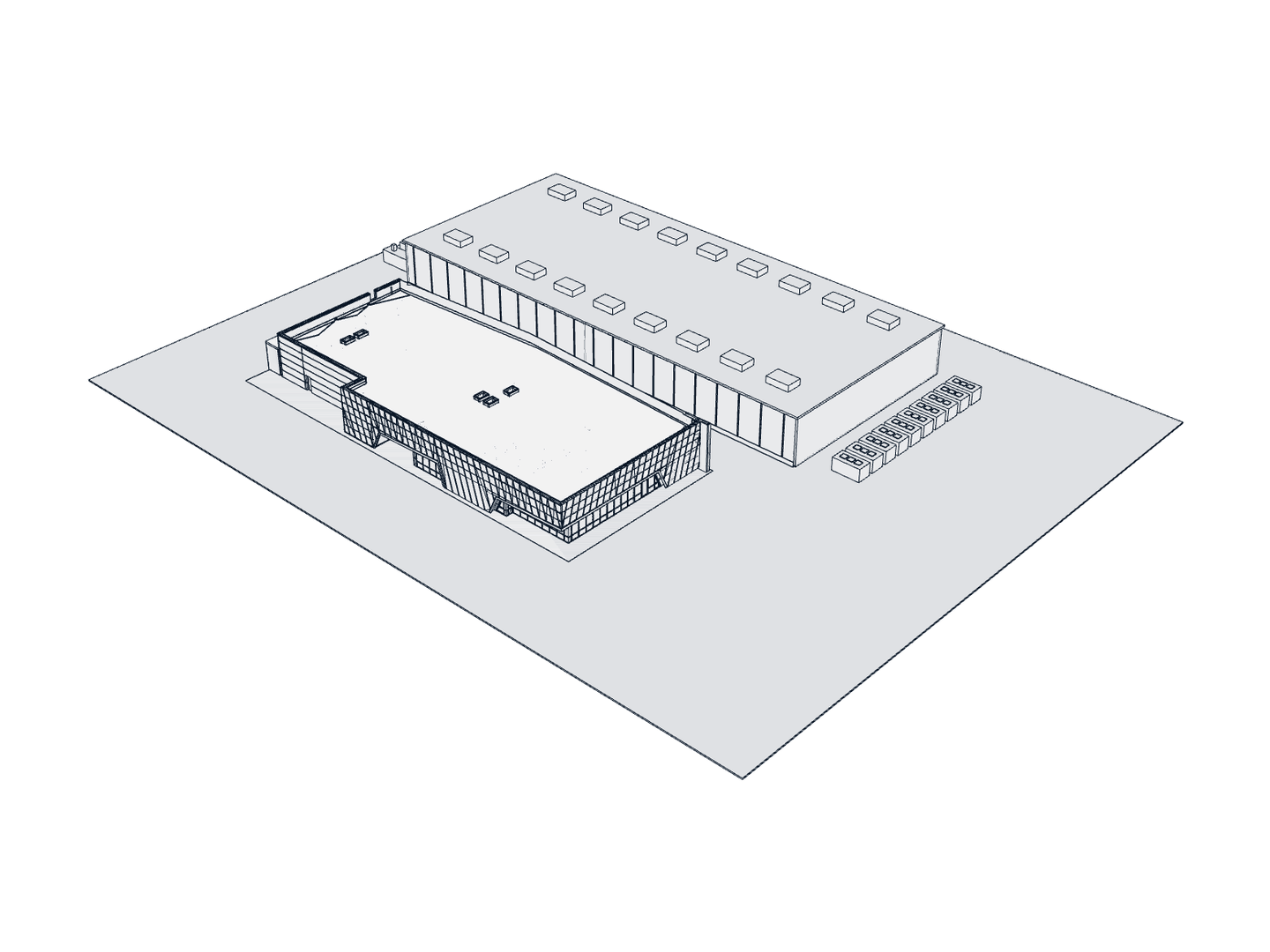
- PowerTransformer and switchgear metals: copper and aluminium origin under the UFLPA.
- CoolingChiller components and F-gas compliance.
- Compute hallsEAR advanced-computing rules on the hardware and its end user.
Standards & regulation.
The frameworks we work to in this sector.
Cyber risk and incident reporting.
Resilience of critical entities.
UK essential and digital services.
ICT third-party risk for financial clients.
Information security management.
Business continuity.
Energy management.
Controls on advanced computing and dual-use items.
Due diligence on battery materials.
Strategic materials and supply concentration.
Conflict minerals in electronics.
Responsible minerals benchmark.
Smelter and refiner assurance.
Forced-labour presumption on imports.
EU ban on forced-labour products.
Embedded emissions in steel and aluminium.
Supply chain security.
Personal data and breach reporting.
Where we look.
The official procurement and trade sources we draw on.
UK above-threshold notices.
Central government, above £12k.
EU public procurement.
Federal ICT and infrastructure.
ICT and C4ISR procurement.
Robotics and autonomy R&D.
EPC and operator supplier programmes.
Related thinking.
Recent notes that bear on this sector.
CBAM’s first real year. The bill is small; the data is not.
The EU carbon border adjustment has charged for embedded emissions since 1 January. Certificates for 2026 imports go on sale in February 2027 and must be surrendered by 30 September 2027. The 2026 charge is small, but it rises every year, and what it costs depends on data most importers do not yet hold.

China’s rare earth pause has two more months. Plan as if it ends.
China’s suspension of its October 2025 rare earth controls was due to end on 10 November. The US–China truce behind it now runs to 10 January 2027. The April 2025 licensing on seven medium and heavy rare earths never stopped. Magnet-dependent supply chains should plan for both.

The UK debarment list is still empty. Your subcontractors still count.
More than a year and a half into the Procurement Act 2023, no supplier has been placed on the central debarment list. But contracting authorities must check every intended subcontractor against it, and an excluded subcontractor can exclude the prime.