
Sectors / 03
Energy & industrial materials
We show importers, exporters and traders of energy and industrial materials who made their goods, who owns their counterparties, and what that means for carbon and sanctions exposure.
What is changing, and what it means for you.
What is changing
- The EU carbon border charge now applies to steel, aluminium, cement, fertilisers and hydrogen; the UK’s version starts in January 2027.
- Sanctions on crude, products and the vessels that carry them keep widening.
- Re-sourcing away from Russian supply has added intermediaries to many chains.
Who it affects
Importers of steel, aluminium, cement and fertiliser into the EU or UK, exporters selling those goods into the EU, and traders and charterers moving crude, products and feedstock.
The problem it creates
The carbon cost depends on which installation made each shipment, which many importers cannot name. Sanctions exposure hides in vessel ownership, blending and trading houses one step removed.
What Meridian does
We identify the installation, owner and route behind each flow, gather the supplier evidence your customers and authorities will ask for, and test counterparties before you commit.
Different businesses, different first steps.
Each starts with a defined scope and a fixed fee, set out in writing within 24 hours.
If you are
Importing carbon-border goods
You do not know which plant made each shipment, so you pay on default values.
You receive: The installation behind each supplier identified, and what verified data each one can actually provide.
If you are
Exporting into the EU
Your EU customers are sending carbon and origin questionnaires you cannot fully answer.
You receive: Evidence-backed answers to your customers' questions, in a form you can reuse across buyers.
If you are
Trading crude, products or feedstock
A cargo, vessel or counterparty may link to sanctioned parties you cannot see.
You receive: Counterparty, ownership, vessel and route tested before the deal closes, in five working days.
Not sure which fits? Describe the situation
Start today at a fixed fee.
Paid upfront, delivered to a fixed scope, and credited in full against any Meridian engagement within 60 days.
If a customer has sent an EUDR or CBAM questionnaire
Customer Questionnaire Response
We complete one questionnaire, up to 40 questions, from the documents you supply, with the evidence behind each answer.
If you are about to commit to a supplier
Supplier Risk Check
One supplier screened for ownership, sanctions and listed-entity exposure, including the UFLPA Entity List, set out in a two-page note.
If your EU customer wants deforestation evidence
EUDR Supplier Evidence Pack
Supplier guide, declaration template, plot and geolocation data sheet, evidence index and model questionnaire answers.
Payments are processed securely by Stripe. For business customers; no VAT is charged. Terms of sale
Three questions, answered with evidence.
 010203
What we read.
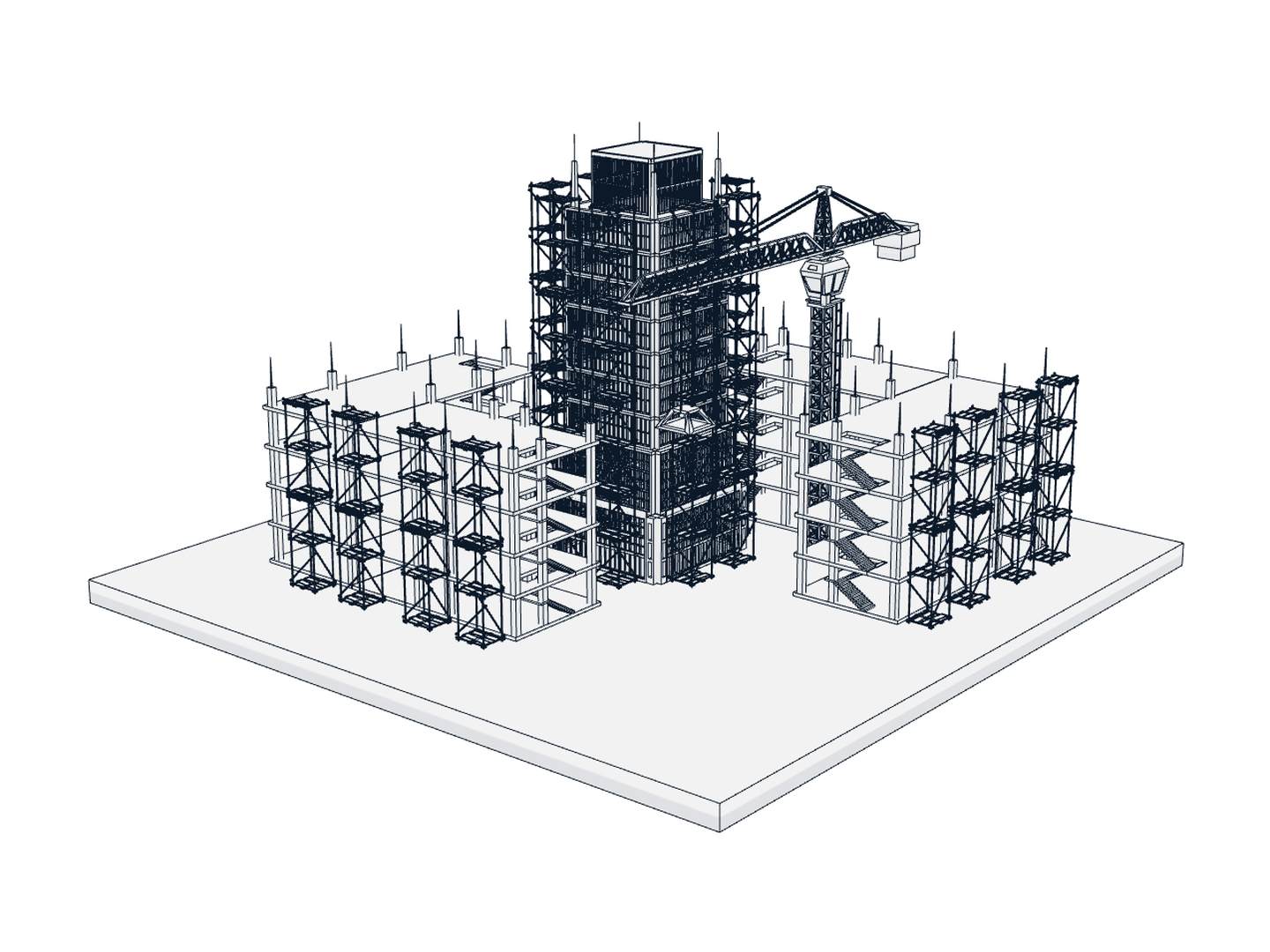
- Structural steelMill of origin and CBAM embedded emissions.
- Frame and fixingsSupplier ownership and sanctions exposure.
- SiteThe subcontractor chain and the modern slavery evidence behind it.
Standards & regulation.
The frameworks we work to in this sector.
UK Russia sanctions regime.
UK import ban and maritime services.
EU Russia energy and dual-use measures.
US Russia-related sanctions.
Embedded emissions on imports.
Energy management system.
Greenhouse gas quantification.
Oil and gas operating practice.
Quality, environment and safety.
UK energy market and security.
UK energy and carbon reporting.
US industrial chemical controls.
Cyber risk and incident reporting.
Resilience of critical entities.
UK essential services security.
Where we look.
The official procurement and trade sources we draw on.
UK above-threshold notices.
Central government, above £12k.
EU public procurement.
Federal opportunity data.
UN energy and infrastructure supply.
Direct and invited opportunities.
Related thinking.
Recent notes that bear on this sector.
CBAM’s first real year. The bill is small; the data is not.
The EU carbon border adjustment has charged for embedded emissions since 1 January. Certificates for 2026 imports go on sale in February 2027 and must be surrendered by 30 September 2027. The 2026 charge is small, but it rises every year, and what it costs depends on data most importers do not yet hold.

Failure to prevent fraud, one year on. What “reasonable procedures” means for your third parties
Since 1 September 2025, large organisations are liable for fraud committed by employees, agents and subsidiaries for their benefit. The main defence is reasonable procedures, and third parties are where most organisations are thinnest.
Over 670 listed tankers. Screen the shadow fleet by IMO number, not by name.
The EU has now listed more than 670 vessels in Russia’s shadow fleet, and the UK close to 600. Coastal states are boarding ships that fly false flags. For traders, charterers and buyers, the risk sits in the ship as much as the counterparty.