Insights · Sanctions
Over 670 listed tankers. Screen the shadow fleet by IMO number, not by name.
The EU has now listed more than 670 vessels in Russia’s shadow fleet, and the UK close to 600. Coastal states are boarding ships that fly false flags. For traders, charterers and buyers, the risk sits in the ship as much as the counterparty.
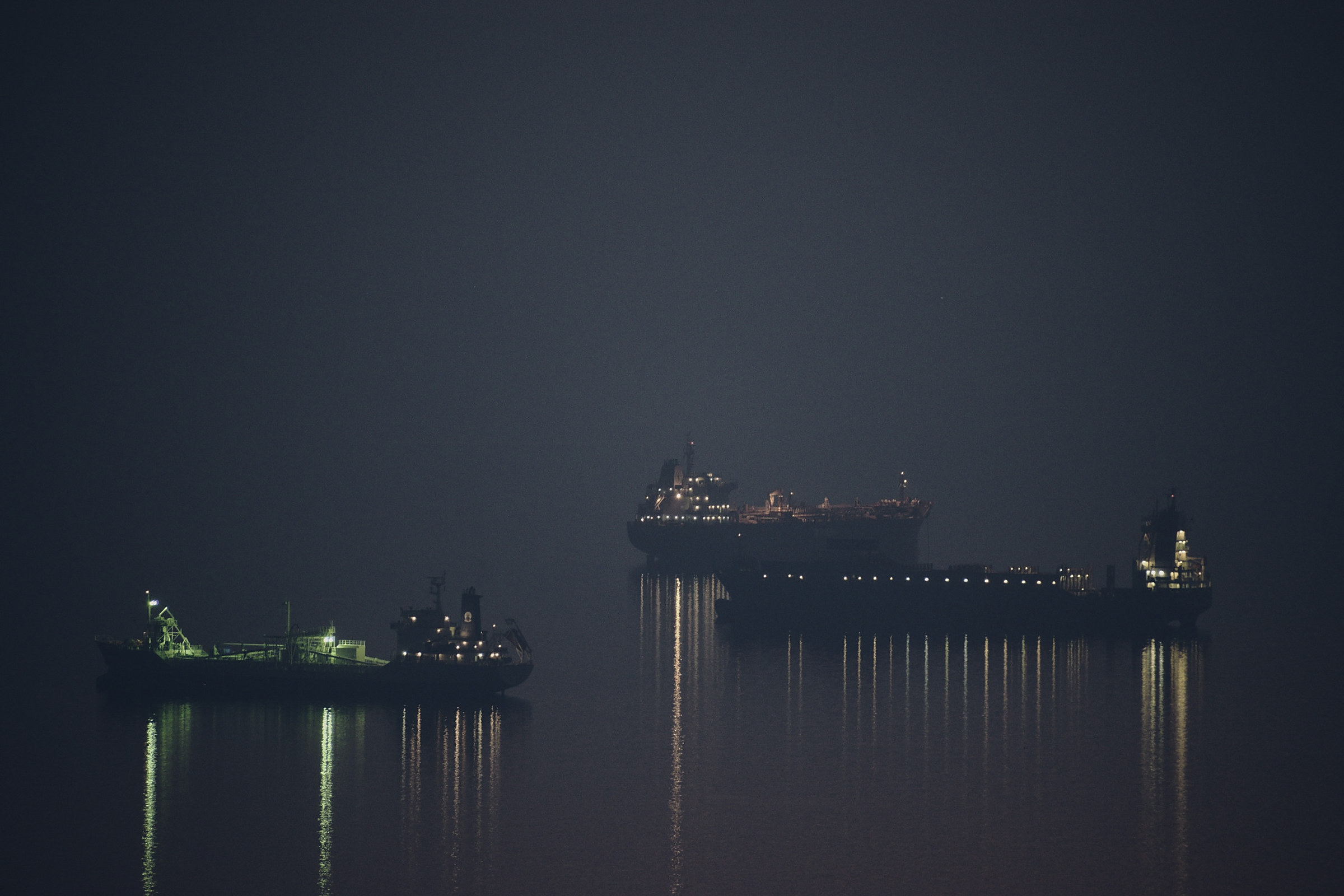
On 23 July 2026 the EU adopted its 21st sanctions package against Russia. It listed 41 more vessels, taking the EU’s shadow-fleet list past 670. A listed ship is barred from EU ports, from EU maritime services including insurance, and from ship-to-ship transfers with EU operators.
The UK keeps pace. Its latest designations, on 1 October, took the number of tankers it has sanctioned to nearly 600.
What changed this year
- Enforcement moved to sea. Since March, UK forces may stop and board UK-sanctioned ships in UK waters. In June they boarded a tanker in the English Channel that was flying a suspect flag. France, Belgium and Sweden boarded or seized similar ships earlier in the year.
- The net widened to the ships that serve the fleet. The 21st package allows the EU to list vessels that refuel or transfer cargo with listed ships. Five bunkering tankers were listed on that basis.
- False flags became a target. The EU listed a person said to run fraudulent ship registries. Several of this year’s boardings relied on the ship’s flag being false or invalid, which can leave a vessel without the protection of any flag state.
The EU and UK price cap on Russian crude stands at US$44.10 a barrel. The EU has frozen its automatic six-monthly adjustment until July 2027.
Why this reaches buyers who never touch Russian oil
Shadow-fleet vessels carry more than crude. They move refined products, and their service ships handle bunkers and transfers in busy anchorages. A cargo bought from a legitimate trader can still have spent part of its voyage on a listed ship, or been moved ship to ship from one.
Listed ships also change their names and flags, and some broadcast false identities. A check against the ship’s name or current flag can come back clean when the vessel is listed.
What a counterparty check should now include
- The IMO number, checked against the EU and UK lists, not the vessel’s name or flag.
- The voyage, not just the load port: ship-to-ship transfers, gaps in AIS tracking, and anchorages known for transfers.
- The flag’s validity, and how often the ship has changed flag, name or registered owner.
- Insurance: continuous P&I cover from a recognised insurer, not an unknown provider.
- Price: any cargo priced well away from the market, or a seller reluctant to show the price, needs explaining.
No single indicator proves evasion. Several together should stop a deal until they are answered in writing.
Sources
- Council Regulation (EU) 2026/1848 of 23 July 2026 (EUR-Lex)
- EU sanctions: 21st sanctions package against Russia (Skuld, 29 July 2026)
- Shadow fleet set to be interdicted in UK waters (UK Government, 25 March 2026)
- Following the fleet: UK ship designations announced on 1 October 2026 (Squire Patton Boggs, October 2026)
- Sweden boards and detains falsely flagged tanker off Trelleborg (Maritime Executive, 2026)
- Price cap on Russian crude set at $44.10 (European Commission, 15 January 2026)
- Maritime advisory for the maritime oil industry (Price Cap Coalition, October 2024)
Published 9 October 2026. General information, not legal advice; the position may have changed since publication.
Get new insights by email
A short note when we publish. Dated, sourced, and ending with what to check.