
Sectors / 07
Fashion & consumer goods
We show fashion and consumer brands where forced-labour and origin risk sits below their direct suppliers, and build the evidence to prove a clean chain.
What is changing, and what it means for you.
What is changing
- The US forced-labour entity list keeps growing and now names more cotton, textile and materials suppliers.
- The EU’s ban on products made with forced labour applies from December 2027.
- Retailers and marketplaces are asking suppliers for sub-tier origin evidence.
Who it affects
Importers selling into the US, brands preparing for the EU ban, and manufacturers whose customers have started asking where materials come from.
The problem it creates
Audits cover the factory, not the yarn, fabric or trims behind it. A single listed sub-supplier can stop a shipment at the border, and most brands cannot see that far back.
What Meridian does
We map suppliers below the first tier, screen them against forced-labour and sanctions lists, and assemble origin evidence your customs adviser or customer can rely on.
Different businesses, different first steps.
Each starts with a defined scope and a fixed fee, set out in writing within 24 hours.
If you are
Importing into the US
You do not know whether any supplier in your chain is on the forced-labour entity list.
You receive: Your suppliers screened, sub-tiers mapped, and the most exposed vendors flagged to act on first.
If you are
Preparing for the EU forced-labour ban
You need to know where cotton, yarn and fabric come from before 2027.
You receive: Material flows traced below the first tier, with each link’s evidence graded.
If you are
A buyer or border agency wants origin proof
A shipment is held or a customer has asked you to prove origin.
You receive: An evidence pack built for your trade lawyer or customer to rely on.
Not sure which fits? Describe the situation
Start today at a fixed fee.
Paid upfront, delivered to a fixed scope, and credited in full against any Meridian engagement within 60 days.
If you are about to commit to a supplier
Supplier Risk Check
One supplier screened for ownership, sanctions and listed-entity exposure, including the UFLPA Entity List, set out in a two-page note.
If your EU customer wants deforestation evidence
EUDR Supplier Evidence Pack
Supplier guide, declaration template, plot and geolocation data sheet, evidence index and model questionnaire answers.
If a customer has sent an EUDR or CBAM questionnaire
Customer Questionnaire Response
We complete one questionnaire, up to 40 questions, from the documents you supply, with the evidence behind each answer.
Payments are processed securely by Stripe. For business customers; no VAT is charged. Terms of sale
Three questions, answered with evidence.
 010203
What we read.
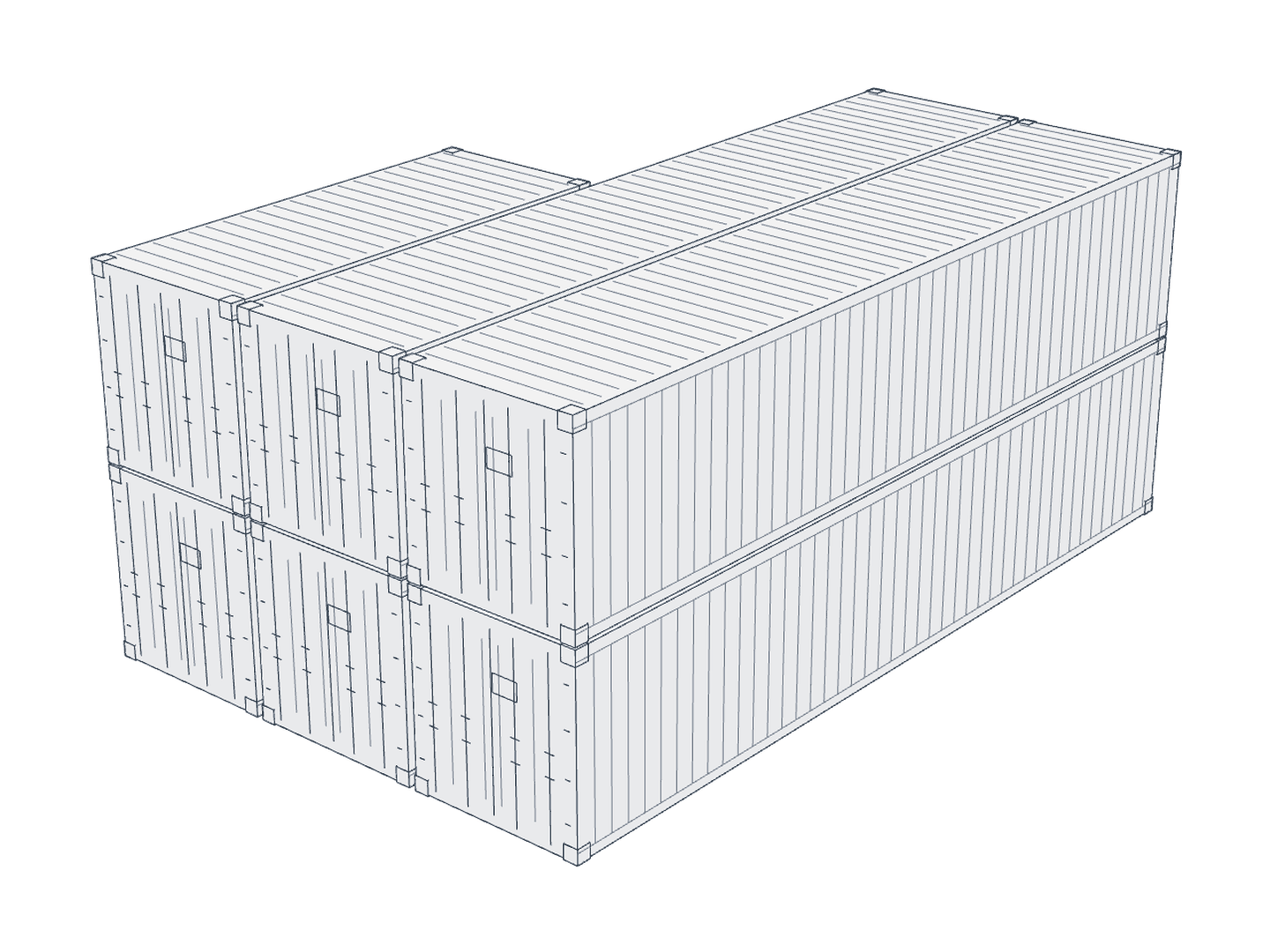
- ContainerDeclared origin and any transhipment on the route.
- ContentsCotton and textile origin under the UFLPA and the EU forced labour ban.
- PaperworkThe supplier identity behind the invoice.
Standards & regulation.
The frameworks we work to in this sector.
Ethical audit standard in fashion sourcing.
Buyer-led social compliance.
Social accountability certification.
Facility-level ethical production.
Shared supplier ethical data.
Facility environmental and labour modules.
Textile safety and organic content.
US forced-labour import presumption.
US forced-labour detentions.
EU ban on forced-labour products.
Mandatory human-rights due diligence.
Annual supply chain statement.
Consumer product safety and recall.
Supply chain security management.
Where we look.
The official procurement and trade sources we draw on.
UK above-threshold notices.
Central government, above £12k.
Workwear and PPE requirements.
UN agency procurement.
EU public procurement.
Federal opportunity data.
Related thinking.
Recent notes that bear on this sector.

Your EU customer files the EUDR statement. The evidence starts with you.
Since the December 2025 revision, only the business that first places goods on the EU market files the EUDR due diligence statement. For most exporters outside the EU, that is their customer. The information behind it still has to come from the supplier, and customers will ask for it before 30 December.

EUDR applies on 30 December. There will be no further delay.
After two postponements, the EU Deforestation Regulation applies to large and medium operators on 30 December 2026. The Commission’s May review simplified the guidance but confirmed the date. Geolocation for every plot is still the requirement most supply chains cannot meet.

The EU forced labour ban applies in 14 months. The guidance is out; the risk database is not.
From 14 December 2027 no product made with forced labour may be sold in or exported from the EU. The Commission’s guidelines arrived in late June 2026. Its database of risk areas, due the same month, is still in development.